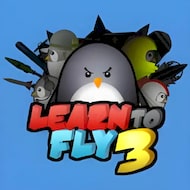
Learn To Fly 3 is a physics-based flight game where players control a penguin attempting to reach maximum distance, height, and speed using a variety of tools and upgrades. The gameplay centers on launching, gliding, and enhancing flight performance through careful planning, precise timing, and strategic upgrades. Each attempt challenges players to optimize angles, power, and equipment to improve results progressively.
The game combines simple controls with complex physics interactions, making experimentation and observation crucial. Players must learn how different upgrades and environmental factors affect flight dynamics, balancing launch strength, weight, and aerodynamics to achieve record-breaking distances.
Core Gameplay Mechanics
The game consists of launch, glide, and upgrade phases. Players initiate a launch, control trajectory and altitude, and then upgrade equipment and abilities to improve future attempts. Mastery involves understanding how physics interacts with each modification.
- Initial launch using adjustable angles and power
- Mid-flight gliding control to maintain trajectory
- Upgrades affecting wings, rockets, and environmental tools
- Progressive enhancement for repeated attempts
- Trial-and-error learning for optimal results
Upgrade System and Customization
Players can invest in various upgrades to improve flight distance and stability. Choosing the right combination of items allows for fine-tuning of the flight path, speed, and overall performance.
- Wings for increased lift
- Rocket boosters for speed bursts
- Weight modifications to balance trajectory
- Environmental tools to reduce drag or enhance glide
- Strategic allocation of resources for maximum efficiency
Challenges and Environmental Interactions
Each level introduces different obstacles and environmental factors that affect flight. Players must anticipate changes in wind, terrain, and landing zones, adjusting flight behavior accordingly.
- Wind effects that alter trajectory
- Terrain obstacles that limit flight options
- Landing precision to maximize score
- Timing boosts to avoid crashes
- Adapting strategy based on environmental feedback
Progression, Goals, and Replayability
Progression is measured through distance traveled, height achieved, and points collected. Each successful flight provides resources for further upgrades, motivating repeated play and experimentation.
- Distance and altitude tracking for performance evaluation
- Resource collection to unlock upgrades
- Multiple achievement goals for extended play
- Encouragement of experimentation and skill improvement
- Replay value through progressive optimization
Learn To Fly 3 combines physics-driven flight mechanics, strategic upgrades, and environmental awareness to create a game focused on experimentation and skill mastery. Its balance of trial-and-error learning with progressive improvement ensures engaging gameplay for players seeking both challenge and creativity.